
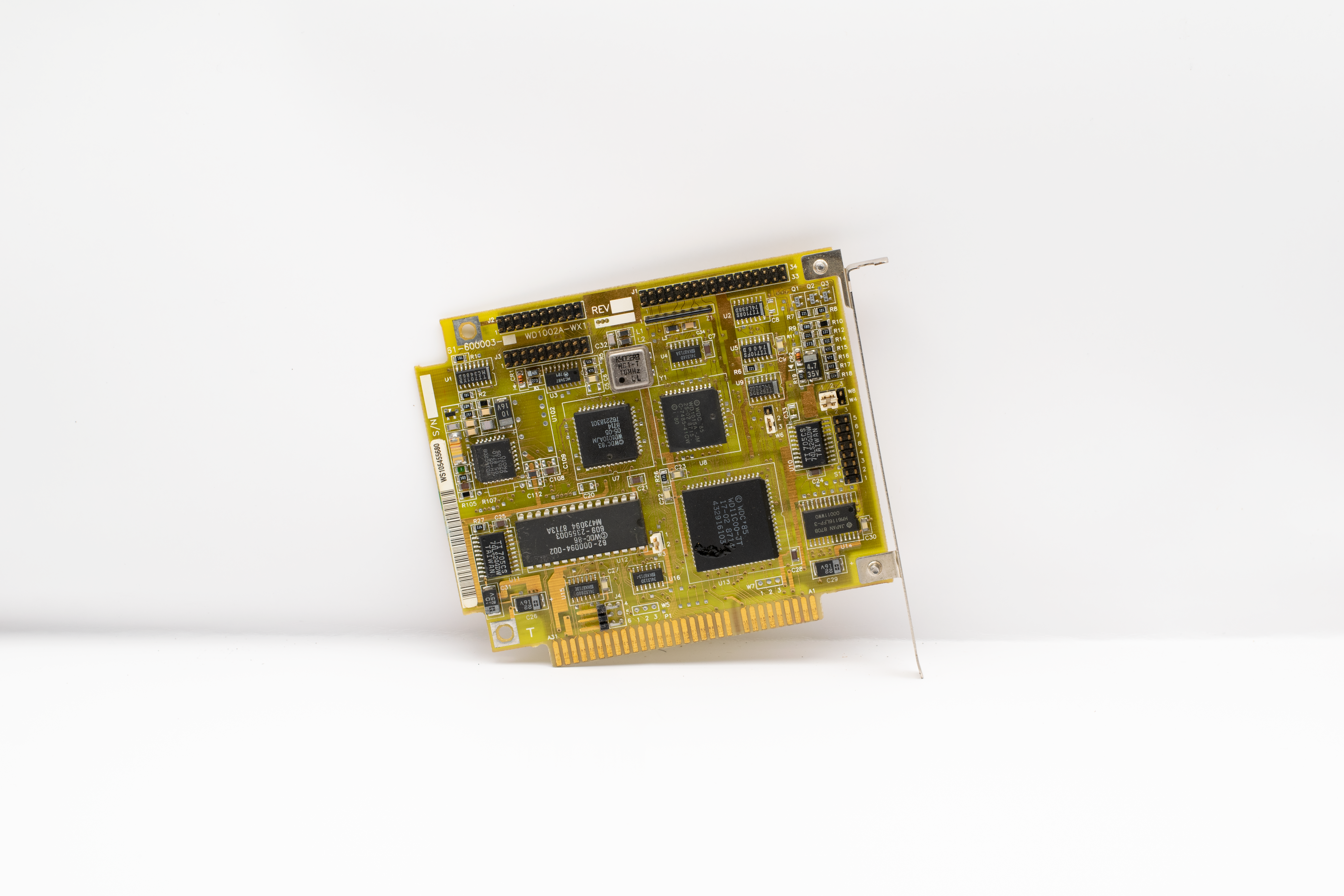
American stores routinely take back phones, consoles and games, yet almost none of them buy used graphics cards. The category has properties that make organized resale unattractive to a retailer.
Condition cannot be checked at the counter
A phone can be tested in a few minutes at a service desk. A graphics card requires a working test bench, a compatible power supply and a sustained load to reveal instability.
Cards that have run continuously under heavy load can be physically intact and still fail under stress, or fail intermittently in ways a short test misses entirely.
Building that testing capability into retail locations costs more than the margin on the items would return, so the stores decline the category instead.
Warranty exposure sits with the seller
A retailer reselling used goods generally provides some return window, which means it absorbs the failures its own testing did not catch.
Manufacturer warranties on graphics cards are frequently tied to the original purchaser and to registration, so the store cannot pass a failure upstream.
With an unpredictable failure rate and no recourse, the expected cost per unit is difficult to price, and retailers avoid categories they cannot price confidently.
Supply arrives in unusable bursts
Trade-in volume for graphics cards is driven by generational launches and by shifts in cryptocurrency mining economics, both of which produce sudden floods rather than a steady stream.
A retailer wants inventory that arrives predictably enough to plan shelf space and staffing around. A category that delivers nothing for months and then thousands of units does not fit.
Those bursts also arrive precisely when resale prices are collapsing, since everyone is selling for the same reason at the same time.
Value falls on a schedule the store cannot control
A new generation of cards resets the value of the previous one, and a new upscaling or rendering feature can strand older hardware faster than raw performance alone would.
Because the announcements come from manufacturers without warning to retail, held inventory can lose a large share of its value in a matter of days.
Consoles depreciate on a far slower and more predictable curve, which is exactly why stores are comfortable trading those and not this.
The market moved to peer-to-peer instead
Private American sales handle the category because the buyer accepts the inspection burden personally and prices the risk into what they are willing to pay.
Sellers accept less certainty about payment and buyers accept less certainty about condition, and both sides tolerate that because no intermediary is charging for the service.
The persistent result is a large informal market beside a formal one that has quietly decided this particular component is not worth the trouble.