
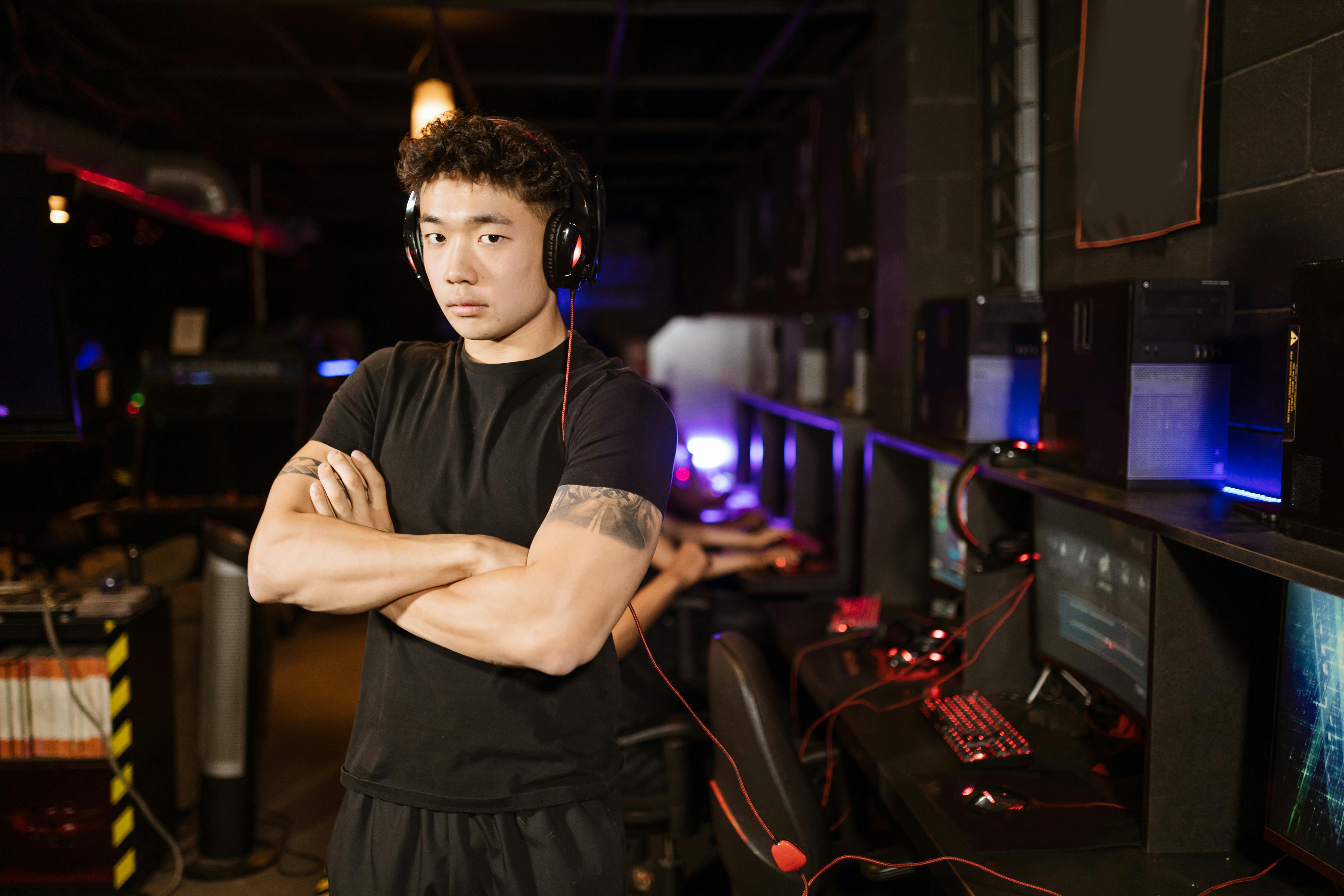
Dreaming of an esports career in 2026? The path to becoming a professional gamer is more competitive than ever, but elite esports academies and specialized training programs are leveling up aspiring pros. Discover the best options, compare costs, and find the perfect program to hone your skills, master game strategy, and secure your future in competitive gaming. Your journey to esports stardom starts here!
Introduction to the Topic
The roar of the crowd, the flash of cameras, the thrill of victory on the biggest stages – the dream of becoming a professional esports athlete has captivated millions. In 2026, esports isn't just a pastime; it's a multi-billion dollar industry offering legitimate, lucrative career paths for the truly dedicated. However, the days of simply grinding ranked ladders to get noticed are largely over. The competitive landscape has matured, and the skill ceiling has skyrocketed, demanding a level of dedication, strategic understanding, and mental fortitude previously reserved for traditional sports. This evolution has given rise to a critical new pillar in the esports ecosystem: elite esports academies and structured training programs. These institutions are no longer a luxury but a necessity for anyone serious about making it to the top. From intensive bootcamps to university-level degrees, these programs offer a structured, scientific approach to skill development, performance optimization, and career building, providing aspiring pros with the tools, coaching, and environment needed to transform raw talent into championship-winning prowess. If you're looking to invest in your esports future and truly unlock your pro potential, understanding these options is your first critical step.
Backgrounds & Facts
The esports industry has experienced explosive growth, with global revenues projected to exceed $2 billion by 2026 and viewership numbers rivaling traditional sporting events. Prize pools for major tournaments frequently reach millions of dollars, attracting a global pool of incredibly talented players. Games like League of Legends, Valorant, Counter-Strike 2, Dota 2, Apex Legends, and Call of Duty demand not just mechanical skill but also intricate team coordination, deep strategic understanding, and rapid adaptation. This escalating complexity has highlighted a significant skill gap between amateur hopefuls and established professionals. The self-taught prodigy, while still celebrated, is becoming rarer. Instead, teams and organizations are increasingly scouting talent from organized development pathways.
The shift began around 2020-2022, as professional teams started investing heavily in their own academy rosters and development infrastructure. By 2026, this trend has fully blossomed into a vibrant network of independent and affiliated esports training institutions. These academies replicate the high-performance environments found in traditional sports, offering resources that individual players simply cannot access on their own. We're talking about dedicated coaches specializing in specific roles, sports psychologists focused on mental resilience, physical trainers ensuring peak health, and analysts dissecting every micro-decision. The data unequivocally shows that players who emerge from structured programs often possess a more holistic skill set, better team synergy, and greater longevity in the demanding professional scene compared to their uncoached counterparts. The competition for professional contracts is fierce, with thousands vying for a handful of spots, making specialized training a critical differentiator.
Expert Opinion / Analysis
“In 2026, raw talent alone simply isn't enough to secure a professional esports contract,” states Dr. Anya Sharma, a leading esports performance psychologist and consultant for several top-tier organizations. “The game has evolved beyond mechanics; it’s about strategic depth, mental fortitude, and team cohesion. Academies provide a crucible where these attributes are forged under expert guidance.”
Dr. Sharma emphasizes the comprehensive approach taken by modern esports academies. “It’s not just about in-game coaching anymore. We integrate sports psychology to manage pressure, combat burnout, and enhance focus. Nutritional guidance and physical fitness programs ensure players maintain peak cognitive function and avoid repetitive strain injuries. Media training prepares them for interviews and brand building, while contract negotiation workshops equip them for the business side of their careers. This holistic development is what separates a short-lived prodigy from a sustainable, high-performing professional.”
Furthermore, industry veteran and former pro player, 'Spectre' (Liam Chen), now a talent scout for 'Nexus Esports', adds, “When we scout new talent, we're not just looking for a high KDA. We're looking for players who understand team dynamics, communicate effectively, take feedback constructively, and demonstrate resilience. These are all skills that are actively taught and refined in a structured academy setting. A player coming from a reputable program already has a significant head start, making our job of identifying future stars much easier. They’re essentially pre-vetted for the professional environment.” The consensus is clear: if you’re serious about a career in esports, professional guidance is no longer optional; it’s essential for maximizing your potential and increasing your chances of success.
💰 Best Options in Comparison (VERY IMPORTANT)
Navigating the burgeoning landscape of esports training can be daunting. To help you make an informed investment in your future, we've broken down the leading types of programs available in 2026, highlighting their unique benefits and considerations. Think of this as your essential guide to choosing the right path to pro.
-
1. Residential Esports Academies (e.g., Team Liquid's Alienware Training Facility, Gen.G Global Academy, Fnatic's Bunkr)
These are the gold standard for aspiring pros seeking an immersive, full-time experience. Students typically live on-site, receiving intensive daily coaching, physical training, psychological support, and sometimes even academic tutoring. They offer unparalleled access to state-of-the-art facilities, professional-grade equipment, and direct mentorship from industry veterans. The curriculum is highly structured, focusing on deep game mechanics, strategic analysis, team play, and personal development. This option is ideal for those ready to commit fully, treating esports as their primary focus.
Pros: Unmatched immersion, holistic development, direct access to pro-level resources, strong networking opportunities, accelerated skill growth. Cons: High cost (often $15,000 - $50,000+ per year), geographic limitations, intense commitment required, can be competitive for admission.
-
2. Online Coaching Platforms & Bootcamps (e.g., Gamer Sensei, ProGuides, specialized team bootcamps)
For players who prefer flexibility or can't commit to a residential program, online coaching and short-term bootcamps offer a viable alternative. Platforms like Gamer Sensei connect you with professional coaches for personalized one-on-one sessions, VOD reviews, and tailored practice routines. Many esports organizations also run online bootcamps for specific games or roles, providing a taste of high-level training over a few weeks or months. These are excellent for targeted skill improvement, addressing specific weaknesses, or getting expert feedback without relocating.
Pros: Flexible scheduling, more affordable (individual sessions $20-$100/hr, bootcamps $500-$5000), accessible globally, highly customizable training. Cons: Requires strong self-discipline, less holistic development (no physical/mental health support built-in), less networking with other aspiring pros, no guaranteed team placement.
-
3. University Esports Programs (e.g., UC Irvine, Miami University, Staffordshire University)
A growing number of universities worldwide now offer dedicated esports programs, often combining academic degrees with competitive gaming training. These programs provide a unique pathway, allowing students to pursue higher education while honing their esports skills. Many offer scholarships, dedicated esports arenas, coaching staff, and opportunities to compete in collegiate leagues. This option is perfect for those who want a backup career plan, value a structured academic environment, and wish to develop their skills over a longer period.
Pros: Earn a degree alongside training, potential for scholarships, strong academic and competitive structure, excellent networking within collegiate esports, more affordable than some residential academies. Cons: Training intensity can vary, academic workload can compete with practice time, not always as focused on professional contracts as dedicated academies, longer duration (2-4 years).
Comparison Table: Choosing Your Esports Training Path
| Feature | Residential Academies | Online Coaching/Bootcamps | University Programs |
|---|---|---|---|
| Cost (Annual Est. 2026) | $15,000 - $50,000+ | $500 - $5,000 (bootcamp) / $20-$100/hr (coaching) | $10,000 - $35,000 (tuition, may include scholarships) |
| Intensity & Immersion | Very High (full-time, live-in) | Moderate to High (self-driven) | Moderate (balanced with academics) |
| Curriculum Focus | Holistic (gameplay, mental, physical, media) | Specific skill/game improvement | Academic + Competitive Gaming |
| Duration | 3-12 months (intensive) | Weeks to Months (bootcamps), ongoing (coaching) | 2-4 years (degree-aligned) |
| Networking Opportunities | Excellent (pro teams, scouts, peers) | Limited (coach-specific) | Good (collegiate scene, alumni) |
| Ideal Candidate | Dedicated, high-potential aspiring pro seeking full immersion | Flexible learner, targeting specific skill gaps | Student seeking balanced academic & esports development |
| Path to Pro | Direct scouting, team development | Self-promotion, individual tryouts | Collegiate leagues, university-affiliated teams |
When considering your options, research specific programs thoroughly. Look at their coaching staff's credentials, past student success stories, and alumni networks. Many programs offer open days or trial periods. Don't hesitate to contact admissions teams and ask about financial aid or scholarship opportunities. Your investment in training today can define your esports career tomorrow.
Outlook & Trends
The landscape of esports training is set for continued innovation and expansion in the coming years. By 2026 and beyond, we anticipate several key trends shaping the future of player development:
- AI-Powered Personalized Training: Artificial intelligence will become even more integral, offering hyper-personalized training regimens. AI analytics will identify minute weaknesses, suggest optimal practice drills, and even simulate opponent strategies for players to counter, making training more efficient and effective.
- Increased Specialization: We'll see more academies focusing on single game titles or even specific roles within games (e.g., a dedicated Valorant Duelist academy or a LoL Jungler bootcamp). This hyper-specialization will cater to the increasing complexity of top-tier play.
- Mental Wellness & Longevity: The focus on player mental health and long-term career sustainability will intensify. Academies will integrate more robust psychological support, burnout prevention strategies, and post-career planning to ensure players thrive beyond their competitive years.
- Global Expansion & Accessibility: While currently concentrated in North America, Europe, and Asia, esports academies will expand into emerging markets, making high-quality training more accessible worldwide. Hybrid models, combining online and short-term in-person elements, will also grow in popularity.
- Traditional Sports Crossover: Expect more investment and integration from traditional sports organizations. Their expertise in talent development, sports science, and brand management will further legitimize and professionalize esports training pathways.
The future of esports talent development is bright, promising more structured, scientific, and supportive environments for the next generation of champions.
Conclusion
The dream of becoming a professional esports player in 2026 is more attainable than ever, but it demands dedication, talent, and crucially, the right training. The rise of elite esports academies and structured programs has transformed the path to pro, offering aspiring athletes the comprehensive support needed to excel in a fiercely competitive environment. Whether you choose the immersive experience of a residential academy, the flexibility of online coaching, or the balanced approach of a university program, investing in your skill development is no longer optional – it’s a strategic imperative.
Take the time to research, compare the best options, and identify the program that aligns with your goals, budget, and learning style. Remember, the investment you make in quality training today will not only sharpen your in-game abilities but also equip you with invaluable life skills, mental fortitude, and a professional network that can propel your career far beyond the digital arena. The esports world is waiting for its next superstar. Are you ready to claim your spot? Explore these programs, book a consultation, and start your journey to domination now!