
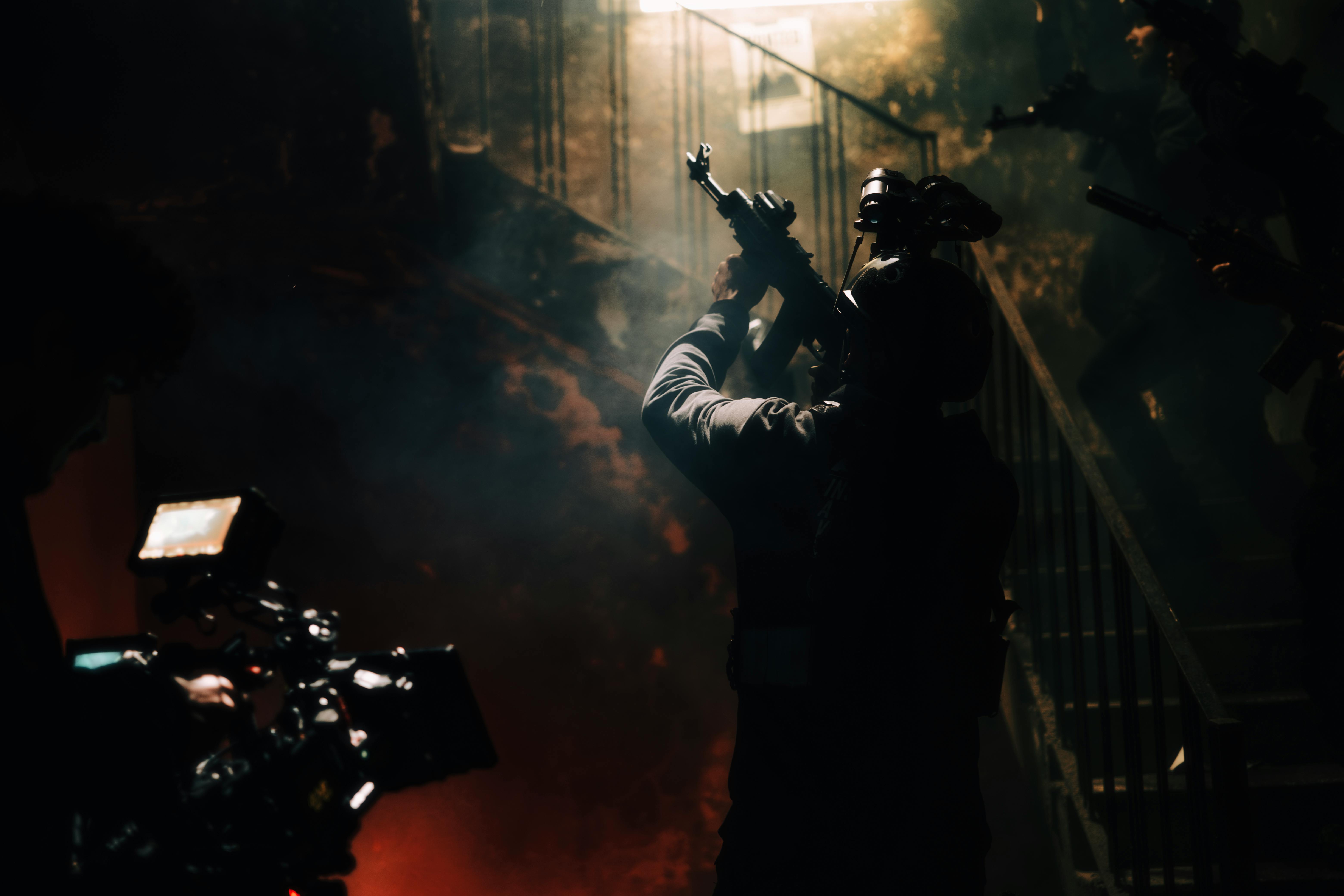
Two shooters with identical movement speeds can feel completely different to play. The distinction is usually the map, because geometry decides how often players meet and on what terms.
Sightline length sets engagement distance
A long uninterrupted view means combat begins at range, where reaction time is generous and precise aim decides outcomes.
Short broken views mean players meet suddenly at close distance, where the advantage belongs to whoever expected the encounter and had a weapon ready.
Adjusting the length of sightlines is therefore the most direct lever a level designer has over which weapons and which skills dominate.
Route count determines predictability
A space with one entrance can be held by one player, which produces slow, positional play built around denying and forcing that point.
Adding routes makes holding harder and rewards movement and coordination, since attention has to be divided and any single position can be circumvented.
Most competitive maps sit in a narrow band here, with enough routes to punish passivity and few enough that defenders can plan a coherent response.
Cover spacing controls commitment
The distance between pieces of cover decides how long a player is exposed while moving, which is the real cost of advancing.
Close spacing lets players advance in small safe steps, producing fluid movement, while wide spacing makes every crossing a decision with a visible risk attached.
Designers use this to mark which parts of a map are meant to be contested and which are meant to be passed through quickly.
Verticality multiplies the angles
Height introduces sightlines that cannot be covered from ground level and adds arrival routes that do not pass through any doorway.
It raises the amount of information a player must track, which slows careful players and rewards those who have learned where attacks can originate.
Overused, it makes a map unreadable, so height is usually confined to defined areas rather than distributed everywhere.
Objectives override geometry when they need to
Placing a capture point or a bomb site forces players into a specific space regardless of whether the geometry favours attacking or defending.
That is how designers guarantee encounters happen, because a map without a reason to occupy ground produces long periods of players avoiding each other.
Timers work the same way, converting a positional stalemate into a situation where one side must move, which is why round-based modes feel faster than they otherwise would.