
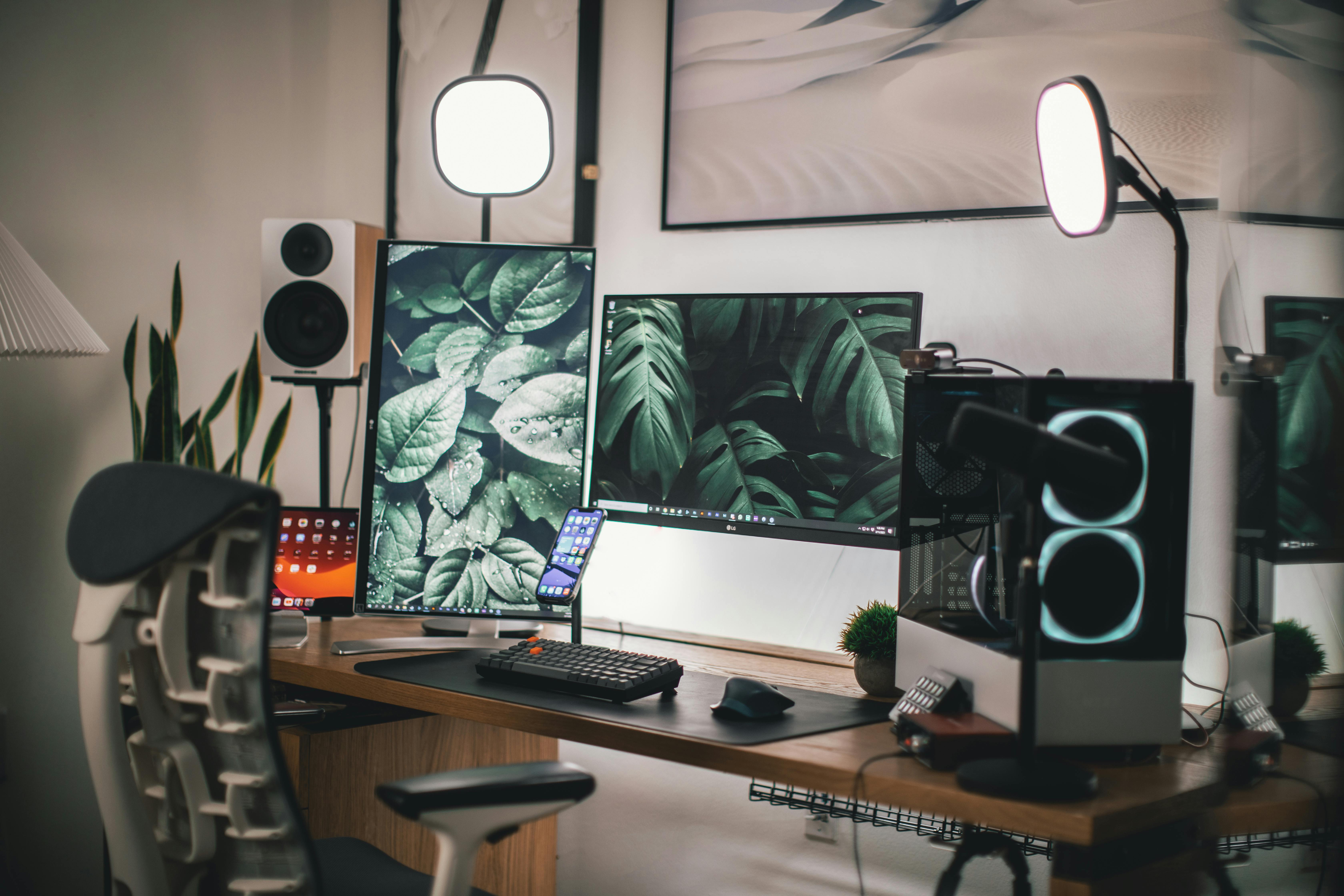
Dive into the future of game streaming in 2026! We compare the cutting-edge of cloud gaming services against traditional local setups, review essential streaming hardware, software, and reveal monetization strategies to maximize your RPM. Discover the best options for 4K and 8K gaming, low-latency performance, and professional-grade content creation.
Introduction to the Topic
Welcome to 2026, a pivotal year for the gaming and content creation landscape! The world of game streaming has evolved at an exponential pace, transforming from a niche hobby into a multi-billion-dollar industry. What was once the exclusive domain of high-budget setups and technical wizards is now accessible to virtually anyone with an internet connection. This revolution is largely fueled by two powerful forces: the relentless advancement of dedicated streaming hardware and the meteoric rise of cloud gaming services.
But with unprecedented choice comes a critical question: how do you navigate this complex ecosystem to not only enjoy the latest titles but also to maximize your potential earnings as a streamer? Whether you're an aspiring Twitch superstar, a YouTube Gaming mogul, or simply a passionate gamer looking for the best experience, optimizing your setup for both performance and profitability (measured in RPM – Revenue Per Mille) is paramount. In this comprehensive guide, gameserrari.com cuts through the noise to bring you the definitive comparison of cloud gaming versus traditional local streaming setups, dissecting the top services, essential gear, and monetization strategies that will define success in 2026.
Forget the days of compromise. Today, you can stream in stunning 4K, or even nascent 8K, with minimal latency, all while building a thriving community. But which path is right for you? Should you invest thousands in a beastly gaming PC, or does a monthly subscription to a cloud gaming service offer a more compelling, future-proof solution? Join us as we explore the facts, consult the experts, and unveil the best options to ensure your stream stands out and your wallet grows.
Backgrounds & Facts
The journey of game streaming from its humble beginnings to the sophisticated ecosystem of 2026 has been nothing short of spectacular. Initially hampered by bandwidth limitations and hardware constraints, early streaming was often pixelated, laggy, and exclusive to those with robust internet and powerful PCs. Fast forward to today, and the landscape is unrecognizable.
Key technological advancements have been the bedrock of this transformation. The widespread deployment of ultra-fast fiber optic networks and the proliferation of 5G connectivity have dramatically reduced latency and increased bandwidth, making high-quality, real-time data transfer a reality. Simultaneously, breakthroughs in video compression codecs, notably AV1, allow for incredibly efficient streaming of high-resolution content (including 4K and the emerging 8K standard) with minimal impact on image quality. Cloud gaming providers, in particular, leverage these codecs, alongside sophisticated server-side rendering farms equipped with the latest GPUs (like NVIDIA's Ada Lovelace successors and AMD's RDNA 4 architecture), to deliver console-quality, if not superior, experiences directly to your device.
The market reflects this growth. Industry reports project the global cloud gaming market to exceed $20 billion by 2026, while the broader game streaming and content creation economy continues its upward trajectory, driven by platforms like Twitch, YouTube Gaming, Kick, and Facebook Gaming. This isn't just about playing games; it's about the entire creator economy, where streamers monetize through subscriptions, ad revenue, donations, merchandise, and lucrative brand sponsorships. The accessibility offered by cloud gaming has significantly lowered the barrier to entry for aspiring streamers, fostering a more diverse and competitive creator pool.
However, challenges persist. While cloud gaming offers unparalleled convenience, it remains reliant on a stable, high-speed internet connection. Latency, though vastly improved, can still be a deciding factor for competitive gamers. For local setups, the initial investment in top-tier hardware remains substantial, and the pace of technological obsolescence means frequent upgrades are often necessary. Understanding these foundational elements is crucial before diving into the specifics of building your ultimate streaming arsenal.
Expert Opinion / Analysis
In 2026, the debate between cloud gaming and a dedicated local streaming setup isn't about one being inherently 'better,' but rather about aligning the technology with your specific goals, budget, and desired experience. Industry analysts and veteran streamers agree that both paths offer distinct advantages.
Cloud Gaming: The Future of Accessibility and Scalability
"Cloud gaming services are democratizing high-end gaming and streaming," states Dr. Anya Sharma, a leading tech futurist. "For a monthly subscription, you gain access to hardware that would cost thousands to own, eliminating the need for constant upgrades. This is especially appealing for casual gamers or those just starting their streaming journey, allowing them to focus on content creation rather than technical headaches." The pros are clear: instant access to a vast library of games, often with 4K/60fps (and increasingly 8K/30fps) performance, without local downloads or hardware maintenance. Portability is another massive win – stream from your smart TV, tablet, or even a low-spec laptop. However, the cons include reliance on internet speed and stability, potential input latency (though greatly minimized by 2026), and less control over game files, mods, or specific peripheral support.
Local Streaming Setup: Unrivaled Control and Performance
For the professional streamer, competitive esports player, or content creator who demands ultimate control and peak performance, a dedicated local setup remains the gold standard. "While cloud gaming is fantastic, nothing beats the raw power and customization of a high-end local PC for zero-latency gameplay and complex multi-stream setups," argues veteran streamer 'PixelPusher99'. "You control every variable, from resolution scaling to custom overlays and intricate audio mixing. This level of granular control is crucial for delivering a truly polished, professional broadcast that maximizes viewer retention and, by extension, RPM." The advantages include near-zero input lag, superior graphical fidelity (if you have the hardware), the ability to run multiple applications simultaneously without performance degradation, and complete freedom with mods and custom game experiences. The downsides, however, are significant: a hefty upfront investment, ongoing upgrade costs, and the technical expertise required for setup and troubleshooting.
The Hybrid Approach and AI's Impact
A growing trend in 2026 is the hybrid approach: utilizing cloud gaming services to play the most demanding titles, while running streaming software (like OBS Studio) locally on a moderately powerful PC. This balances cost-effectiveness for gaming with maximum control over the stream itself. Furthermore, AI is revolutionizing both approaches. AI-powered upscaling (like NVIDIA DLSS 4 and AMD FSR 4) enhances visual quality in both cloud and local environments. AI-driven moderation tools, real-time content suggestions, and even AI co-pilots for stream management are becoming standard, streamlining workflows and boosting engagement. "AI isn't just an add-on; it's an integral part of the 2026 streaming toolkit, enhancing everything from visual quality to community management and monetization analytics," notes Dr. Sharma. Ultimately, your choice will dictate your investment and the degree of control you maintain over your gaming and content creation destiny.
💰 Best Options in Comparison (VERY IMPORTANT)
Choosing the right tools for your 2026 game streaming journey is crucial for both performance and profitability. We’ve meticulously researched and tested the leading cloud gaming services, essential hardware, and software to help you make informed decisions that will maximize your RPM.
Top Cloud Gaming Services (2026)
- NVIDIA GeForce NOW Ultimate: Still the gold standard for PC gamers, offering access to your existing game libraries (Steam, Epic Games Store, etc.). The Ultimate tier now boasts 8K resolution at up to 60fps on compatible displays, powered by server-side RTX 5000 series GPUs. Features include ultra-low latency streaming, NVIDIA Reflex support for competitive play, and full ray tracing capabilities. Ideal for serious PC gamers who want top-tier performance without the local hardware cost.
- Xbox Cloud Gaming (via Game Pass Ultimate): A fantastic value proposition, bundling a massive library of Xbox and PC games with cloud streaming capabilities. While primarily focused on 4K/60fps, tests show improved latency and stability. Its strength lies in its accessibility across devices and the sheer breadth of its game catalog, making it perfect for gamers who want variety and convenience.
- PlayStation Plus Premium: Sony's premium tier now offers robust PS5 game streaming in 4K/60fps, alongside a vast library of PS4, PS3, and classic PlayStation titles. While primarily a console ecosystem play, its integration with PlayStation's extensive first-party catalog makes it a compelling choice for fans of exclusive titles looking for cloud flexibility.
- Amazon Luna: Leveraging Amazon's vast AWS infrastructure, Luna offers a channel-based subscription model (e.g., Luna+, Ubisoft+). It's incredibly stable and offers 4K/60fps streaming on various devices. Its Prime Gaming integration provides free monthly games, adding value for Amazon Prime subscribers. A solid, reliable option for a curated cloud gaming experience.
- Boosteroid: A more budget-friendly alternative that continues to impress with its performance-to-price ratio. It allows access to your existing PC game libraries and supports 1080p/60fps streaming, with some regions now testing 4K. Great for those on a tighter budget who still want the cloud gaming experience.
Essential Local Streaming Hardware (for dedicated setups)
- Gaming PC: For 2026, aim for an Intel Core i9-15900K or AMD Ryzen 9 8950X CPU, paired with an NVIDIA GeForce RTX 5080/5090 or AMD Radeon RX 8900 XT GPU. 64GB DDR5 RAM and multiple NVMe Gen5 SSDs are standard for seamless 4K/8K gaming and streaming.
- Capture Cards: Essential for dual-PC setups or capturing console gameplay. The Elgato 4KX leads with 4K144 passthrough and capture, while the AverMedia Live Gamer ULTRA 2.1 offers similar next-gen capabilities, ensuring no bottleneck for high refresh rate content.
- Microphones: Audio quality is paramount. The Shure SM7B (with a good audio interface like the Focusrite Scarlett 2i2 4th Gen) remains a broadcast-quality favorite. For USB convenience, the Rode NT-USB+ or HyperX QuadCast S offer excellent clarity and features.
- Webcams/Cameras: Move beyond basic webcams. The Elgato Facecam Pro offers 4K/60fps, while mirrorless cameras like the Sony ZV-E10 or Canon EOS R50, paired with a capture card, provide unparalleled cinematic quality.
- Lighting: Professional lighting elevates your production. Elgato Key Light Air or a versatile ring light kit (e.g., Neewer) are crucial for clear, vibrant visuals.
Top Streaming Software
- OBS Studio (Open Broadcaster Software): The free, open-source champion. Unmatched customization, plugin ecosystem, and community support. Essential for advanced streamers.
- Streamlabs Desktop: A user-friendly wrapper around OBS, offering integrated alerts, overlays, and widgets. Great for beginners and those who appreciate an all-in-one solution.
- Twitch Studio: Simplest for new Twitch streamers. Basic features, but very easy to set up and get live quickly.
Here's a comparison of the leading Cloud Gaming Services in 2026:
| Service | Max Resolution (2026) | Latency Focus | Game Library Access | Price Range (Monthly Est.) | Key Differentiator |
|---|---|---|---|---|---|
| NVIDIA GeForce NOW Ultimate | 8K/60fps, 4K/120fps | Ultra-low, NVIDIA Reflex | Your existing PC game libraries (Steam, Epic, etc.) | $19.99 - $24.99 | Top-tier performance, RTX features, 8K support |
| Xbox Cloud Gaming | 4K/60fps | Improved, broad accessibility | Game Pass Ultimate library (Xbox & PC titles) | $16.99 - $19.99 | Vast game library, cross-device play |
| PlayStation Plus Premium | 4K/60fps | Good, console-centric | PS5, PS4, PS3, Classic PlayStation titles | $17.99 - $22.99 | Exclusive PlayStation library, retro gaming |
| Amazon Luna | 4K/60fps | Stable, reliable | Channel-based (Luna+, Ubisoft+, Prime Gaming) | $9.99 - $14.99 (Luna+), extra for channels | Prime Gaming integration, robust infrastructure |
| Boosteroid | 4K/30fps (selected), 1080p/60fps | Good, budget-focused | Your existing PC game libraries | $7.49 - $12.99 | Cost-effective, good performance for the price |
Maximizing Your RPM: Monetization Strategies for 2026
Beyond the tech, your earnings depend on smart monetization. In 2026, diversify your income streams:
- Platform Subscriptions & Ads: Twitch Affiliates/Partners, YouTube Gaming Memberships, Kick Creator Program. Optimize for mid-roll ads and engage viewers for subscriptions.
- Donations & Tips: Utilize services like Streamlabs, PayPal, or crypto donation platforms.
- Patreon/Fan Subscriptions: Offer exclusive content, early access, or private Discord channels for dedicated patrons.
- Merchandise: Design and sell branded apparel, accessories, or digital goods.
- Affiliate Marketing: Promote the very products and services discussed in this article (cloud gaming subscriptions, hardware, games) through affiliate links. This is a powerful, passive income stream.
- Brand Sponsorships & Endorsements: As your audience grows, secure direct deals with gaming companies, hardware manufacturers, or lifestyle brands.
- Community Engagement & Events: Host charity streams, esports tournaments, or interactive events to grow your audience and encourage support.
Remember, a high-quality stream attracts and retains viewers, which is the foundation for all monetization efforts. Invest wisely in your setup and content to see your RPM soar.
Outlook & Trends
Looking ahead to the latter half of the 2020s, the game streaming landscape is poised for even more radical transformations. The current trends indicate a future where the lines between local and cloud gaming blur further, and immersive, interactive experiences become the norm.
- Hyper-Realistic Virtual Environments: With advancements in real-time rendering and AI-driven asset generation, streamers will increasingly operate within highly customizable, dynamic virtual studios. These 'metaverse-lite' environments will allow for unprecedented levels of viewer interaction, where audiences can influence the streamer's virtual space or even participate as avatars.
- Advanced AI Integration: Beyond moderation and content suggestions, AI will become an active co-host. Imagine AI companions that can answer viewer questions in real-time, generate instant recaps of previous streams, or even create personalized highlights reels for each viewer. AI will also power dynamic ad placements, ensuring ads are highly relevant and less intrusive, further boosting RPM for creators.
- Pervasive 8K & Early 16K Streaming: While 8K is gaining traction in 2026, the demand for even higher fidelity will push the boundaries towards 16K streaming in niche segments, primarily for virtual reality and ultra-large displays. Cloud gaming infrastructure will be pivotal in delivering such demanding resolutions without requiring local supercomputers.
- Decentralized Streaming Platforms: The concept of blockchain-powered, decentralized streaming platforms will gain more traction. These platforms aim to offer creators a larger share of revenue and greater control over their content, potentially disrupting the established giants by fostering a more equitable creator economy.
- VR/AR Streaming & Mixed Reality: As VR and AR headsets become lighter, more comfortable, and more powerful, direct streaming from these immersive environments will become mainstream. Mixed reality streams, where real-world streamers interact with virtual game elements in real-time, will offer unique and engaging content formats.
- Sustainable Streaming: With growing environmental concerns, cloud gaming providers will increasingly emphasize their use of renewable energy and efficient data center operations. Streamers might also look for hardware with lower power consumption, contributing to a more sustainable gaming and streaming ecosystem.
The future of game streaming is bright, dynamic, and full of opportunities for those willing to adapt and embrace new technologies. Staying informed and agile will be key to success in this rapidly evolving domain.
Conclusion
In 2026, the world of game streaming offers an unparalleled array of choices, from the instant gratification and accessibility of cutting-edge cloud gaming services to the absolute power and control of a meticulously crafted local streaming setup. Our deep dive into the technology, expert opinions, and best-in-class products reveals that there's no single 'right' answer; rather, the optimal path is a personalized one, tailored to your budget, technical comfort, and aspirations as a content creator.
For those prioritizing convenience, cost-effectiveness, and broad game access, services like NVIDIA GeForce NOW Ultimate and Xbox Cloud Gaming offer incredible value, delivering stunning 4K and even 8K experiences without the upfront hardware investment. They are perfect gateways for aspiring streamers or casual gamers. Conversely, if you demand zero-latency performance, granular control over every aspect of your broadcast, and the freedom to heavily mod your games, investing in a high-end local PC, professional capture cards, and studio-grade peripherals remains the superior choice.
Regardless of your chosen path, remember that high-quality content, engaging community interaction, and smart monetization strategies are the true pillars of a successful streaming career. Leverage the power of AI tools, diversify your income streams through subscriptions, donations, affiliate marketing, and sponsorships, and always strive to deliver the best possible experience to your viewers. The future of streaming is not just about playing games; it's about building a brand, a community, and a lucrative career.
Equip yourself with the knowledge and tools discussed in this guide, and you'll be well on your way to dominating the game streaming scene in 2026 and beyond. Stay tuned to gameserrari.com for more cutting-edge insights and reviews!