
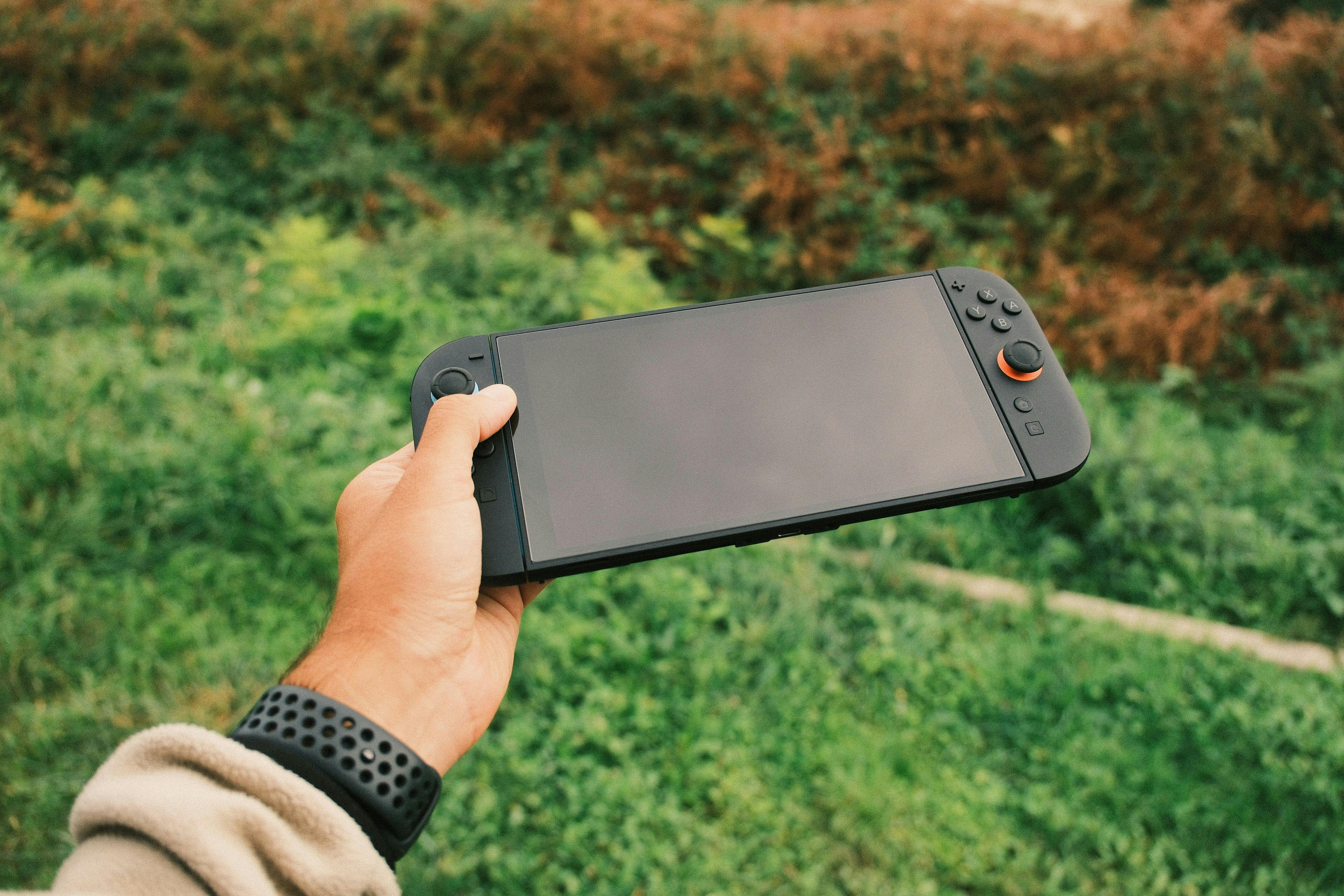
The year 2026 marks a pivotal moment for mobile gaming, as cloud streaming transcends mere novelty to become the dominant force. Forget device limitations and endless downloads; high-fidelity PC and console games are now instantly accessible on your smartphone, powered by blazing-fast 5G Advanced and Wi-Fi 7 networks. This comprehensive guide from gameserrari.com dives deep into the best mobile cloud gaming subscriptions of 2026, comparing premium services like NVIDIA GeForce NOW Ultimate, Xbox Cloud Gaming, and PlayStation Plus Premium to help you choose the ultimate platform and elevate your mobile play to unprecedented heights. Discover which service offers the best value, performance, and game library for your purchasing intent and transform your gaming experience today.
Introduction to the Topic
Remember a time when playing graphically intensive games meant being tethered to a powerful PC or a dedicated console? For mobile gamers, the dream of experiencing AAA titles on a smartphone seemed like a distant fantasy, often constrained by hardware limitations, storage woes, and the dreaded battery drain. Fast forward to 2026, and that dream isn't just a reality – it's the new standard. Welcome to the era of mobile cloud gaming, a revolution that has unshackled players from their devices, offering unparalleled access to vast libraries of high-fidelity games with just a tap.
At gameserrari.com, we've been tracking this seismic shift, and it’s clear: cloud gaming is no longer a niche service but a mainstream powerhouse. Driven by advancements in network infrastructure like widespread 5G Advanced and the ubiquity of Wi-Fi 7, coupled with sophisticated server technology and highly optimized streaming codecs, playing Cyberpunk 2077 or the latest Starfield expansion at peak performance on your commute is not just possible, it’s expected. This article is your definitive guide to navigating the vibrant 2026 mobile cloud gaming landscape. We'll break down the technology, analyze the leading services, compare their offerings, and help you make an informed decision on which subscription will unlock your ultimate mobile gaming potential.
Backgrounds & Facts
The concept of cloud gaming has been around for over a decade, but its true potential has only been fully realized in recent years. Historically, challenges like high latency, inconsistent internet speeds, and the sheer cost of server infrastructure hampered widespread adoption. However, by 2026, these hurdles have largely been overcome, transforming the entire gaming ecosystem.
At its core, cloud gaming works by offloading the heavy processing power required for rendering complex game worlds from your local device to powerful remote servers. These servers, often located at edge computing facilities closer to the end-user, run the games and stream the video output directly to your mobile device. Your phone acts merely as a display and input device, sending your commands back to the server. This means your smartphone's internal specs become largely irrelevant for game performance; what truly matters is your internet connection.
The exponential growth of 5G Advanced networks, offering multi-gigabit speeds and ultra-low latency (often below 10ms), has been a primary catalyst. Complementing this, Wi-Fi 7 (802.11be) is now standard in most new routers and mobile devices, providing incredibly stable and high-bandwidth local connections, perfect for home cloud gaming. These network advancements, combined with sophisticated video compression algorithms (like AV1 and next-gen proprietary codecs) and smart server load balancing, ensure a buttery-smooth, near-native gaming experience even on demanding titles.
Market analysts project that the mobile cloud gaming market will exceed $15 billion by 2027, driven by increasing smartphone penetration, growing demand for AAA content on the go, and the attractive subscription models offered by major players. This growth isn't just about convenience; it's about accessibility. Players who might not be able to afford a high-end gaming PC or a next-gen console can now access the same premium experiences through an affordable monthly subscription and their existing mobile device. This democratization of gaming power is arguably the most significant fact shaping the industry today.
Expert Opinion / Analysis
“The shift to cloud-native mobile gaming is more than just an evolution; it’s a paradigm reset,” states Dr. Anya Sharma, lead analyst at Global Game Insights. “In 2026, we’re seeing a maturity in the technology that allows for truly indistinguishable experiences from local play, especially on optimized devices. Companies like NVIDIA, Microsoft, and Sony aren't just offering games; they're selling an ecosystem, a promise of limitless entertainment without the hardware upgrade cycle.”
Our analysis at gameserrari.com concurs. The competitive landscape in 2026 is defined by a fierce battle for subscriber loyalty. Major tech giants are investing billions into expanding their server infrastructure globally, integrating AI-powered solutions for predictive latency compensation, and enhancing personalized user experiences. AI is now crucial for dynamic resolution scaling, ensuring optimal visual quality even with fluctuating bandwidth, and for intelligent content recommendation engines that keep players engaged.
Microsoft's aggressive integration of Xbox Cloud Gaming into its Game Pass Ultimate subscription continues to dominate in terms of sheer library size and value, appealing to a broad audience. NVIDIA, with its GeForce NOW Ultimate tier, targets the performance purists and PC gamers who already own extensive Steam/Epic libraries, offering unparalleled graphical fidelity including ray tracing on mobile. Sony's PlayStation Plus Premium, while a bit slower to fully embrace the cloud for its latest titles, offers a compelling library of classics and some modern streaming options for its loyal fanbase.
The trend also points towards greater cross-platform integration. Saved games seamlessly transfer between your console, PC, and mobile device via the cloud, blurring the lines between different gaming platforms. This 'play anywhere, anytime, on any device' philosophy is at the heart of 2026's mobile gaming strategy, driving unprecedented engagement and opening up new monetization avenues beyond traditional game sales, focusing heavily on recurring revenue through subscriptions and in-game content within the cloud ecosystem.
💰 Best Options in Comparison (VERY IMPORTANT)
Choosing the right mobile cloud gaming service in 2026 can be daunting, given the robust offerings. Your decision will hinge on your gaming preferences, existing game libraries, desired performance, and budget. Here’s a detailed comparison of the top contenders that promise to deliver the ultimate gaming experience on your mobile device.
- NVIDIA GeForce NOW Ultimate: The Performance King
For the discerning gamer who demands uncompromised graphical fidelity and ultra-low latency, GeForce NOW Ultimate remains the gold standard. Leveraging NVIDIA's cutting-edge GPUs in the cloud, this service allows you to stream your owned PC games from platforms like Steam, Epic Games Store, and Ubisoft Connect at up to 4K resolution and 120 frames per second (on compatible devices and networks), complete with ray tracing. It's not a subscription for games, but for the ultimate gaming rig in the cloud. - Xbox Cloud Gaming (via Game Pass Ultimate): The Value Champion
Part of the immensely popular Xbox Game Pass Ultimate subscription, Xbox Cloud Gaming offers an incredible library of hundreds of first-party Xbox titles and a rotating selection of third-party games, all included with your membership. While typically capped at 1080p/60FPS on mobile, the sheer volume of games available without additional purchase makes it an unbeatable value proposition for those seeking immediate access to a vast and diverse catalog. - PlayStation Plus Premium (Cloud Streaming): The Exclusive Gateway
Sony's highest tier subscription provides access to a catalog of classic PlayStation titles from PS1, PS2, PS3, and PSP, alongside a selection of PS4 and some PS5 games that are streamable via the cloud. While its current-gen cloud library isn't as extensive or performant as Xbox's or NVIDIA's for mobile-first streaming, it's indispensable for PlayStation loyalists wanting to revisit classics or play certain exclusives on the go. - Amazon Luna (with Gaming Channels): The Flexible Contender
Amazon Luna operates on a channel-based subscription model, allowing users to subscribe only to the game libraries they want (e.g., Luna+, Ubisoft+ Channel). This flexibility can be cost-effective for specific tastes, and its integration with Amazon Prime offers some free games. While its library might not rival the giants, its ease of use and unique channel approach make it a worthy consideration for casual gamers or those with specific interests.
To help you visualize the differences and make the best purchasing decision, here's a comparative table:
| Service | Subscription Cost (Est. 2026) | Game Library | Max Resolution/FPS (Mobile) | Key Features | Best For |
|---|---|---|---|---|---|
| NVIDIA GeForce NOW Ultimate | ~$19.99/month | Your owned PC games (Steam, Epic, etc.) | Up to 4K/120FPS (with Ray Tracing) | RTX graphics, ultra-low latency, access to massive PC library you own. | PC gamers, graphics enthusiasts, those with existing game libraries. |
| Xbox Cloud Gaming (Game Pass Ultimate) | ~$17.99/month | Hundreds of included Xbox/PC games (first-party day one) | Up to 1080p/60FPS | Huge included library, console integration, great value. | Value seekers, Xbox fans, casual to mid-core gamers. |
| PlayStation Plus Premium | ~$16.99/month | Classic PS, PS4, and select PS5 streaming titles | Up to 1080p/60FPS | PlayStation exclusives, retro game catalog, cloud saves. | PlayStation loyalists, retro gamers, those seeking specific exclusives. |
| Amazon Luna (Luna+ Gaming Channel) | ~$9.99/month (Luna+ Channel) | Rotating selection, specific channel libraries (e.g., Ubisoft+) | Up to 1080p/60FPS | Flexible channel subscriptions, Prime Gaming benefits, easy setup. | Casual gamers, Amazon Prime members, those with specific channel interests. |
Beyond the subscriptions, remember to optimize your experience with the right hardware. A high-refresh-rate gaming phone (like the latest ROG Phone or Black Shark models), a dedicated mobile gaming controller (e.g., Backbone One, Razer Kishi V2), and a robust Wi-Fi 7 router or reliable 5G Advanced connection are crucial investments for a flawless cloud gaming journey. Many services offer free trials, so we highly recommend testing a few before committing to a long-term subscription.
Outlook & Trends
The future of mobile cloud gaming in 2026 and beyond looks incredibly dynamic. We anticipate several key trends that will further solidify its dominance:
- AI-Powered Personalization and Optimization: Expect even deeper integration of AI. From dynamically adjusting stream quality based on real-time network conditions to highly personalized game recommendations and even AI-driven NPC behaviors in cloud-native games, AI will make every gaming session smarter and more immersive.
- Dedicated Mobile Cloud Gaming Hardware: While current phones are capable, we’ll see more purpose-built mobile devices and accessories. Think phones with integrated cooling systems specifically for sustained streaming, ultra-low latency displays, and advanced haptic feedback, alongside next-gen controllers with even more responsive inputs and customizable features.
- 5G Advanced & Wi-Fi 7 Ubiquity: As these technologies become truly universal, the 'latency barrier' will effectively disappear for most users, making cloud gaming indistinguishable from local play even for competitive titles. Edge computing will continue to expand, bringing servers even closer to players.
- Publisher-Specific Cloud Platforms: While major tech giants lead, expect more individual game publishers to offer their own direct-to-consumer cloud streaming options for their proprietary libraries, potentially creating a more fragmented but specialized market.
- Cloud-Native Game Development: Developers will increasingly design games specifically for the cloud, leveraging distributed computing power for unprecedented scale, persistent worlds, and complex simulations that are impossible on local hardware.
- VR/AR Integration: The ultimate frontier. As VR/AR headsets become lighter and more affordable, cloud streaming will be essential for delivering high-fidelity virtual and augmented reality experiences without requiring powerful onboard processing, turning your mobile headset into a portal to infinite virtual worlds.
Conclusion
In 2026, mobile cloud gaming is no longer a futuristic concept; it is the present and the undeniable future of how we play. It has shattered the traditional constraints of hardware and location, offering a boundless universe of high-quality games directly to your smartphone. Whether you're a hardcore PC gamer looking to take your library on the road, an Xbox enthusiast craving instant access to Game Pass titles, or a PlayStation fan wanting to stream classics, there's a cloud gaming subscription tailored for you.
The choice is yours: embrace the revolution, compare the best cloud gaming services, and invest in a subscription that aligns with your gaming desires. With the right service, a solid internet connection, and perhaps a dedicated mobile controller, your phone transforms into an ultimate gaming powerhouse. The future of gaming is mobile, it's in the cloud, and it's waiting for you to plug in and play. Don't just game; experience the future of gaming with gameserrari.com.